Reviewing Luck Nurse St. Patrick s Day SVG for Embroidery
As a designer who spends more time staring at stitch simulations than I care to admit, I approach every new machine embroidery design with a healthy dose of skepticism. We have all been there: downloading a file that looks crisp on the screen but turns into a tangled mess of thread breaks and puckering once it hits the hoop. Recently, I took a close look at the Luck Nurse St. Patrick s Day SVG, evaluating it not just as a digital asset, but as a viable component for real-world embroidery projects. For those of us running small craft businesses or creating personalized gifts, the difference between a good graphic and a great stitched product is everything.
First Impressions: Mood and Visual Personality
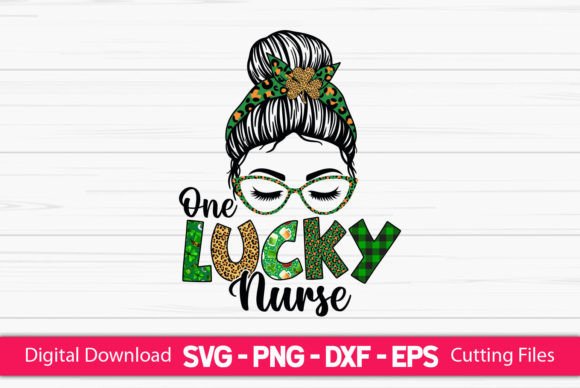
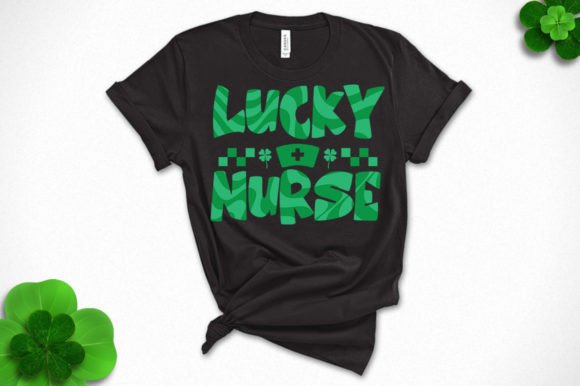
The first thing that strikes you about this design is its thematic clarity. It merges two distinct identities—the caring, professional aura of nursing with the playful, lucky charm aesthetic of St. Patrick’s Day. This is not just a shamrock; it is a narrative piece. The layout feels balanced, avoiding the clutter that often plagues holiday-themed graphics. When I opened the file, the 300 DPI resolution and vector scalability meant that the lines remained sharp regardless of how much I zoomed in. This is crucial for us because we need to see exactly where a satin stitch ends and a fill stitch begins.
The mood is cheerful yet respectful, making it ideal for healthcare workers who want to celebrate the holiday without sacrificing their professional identity. For an Etsy seller or boutique owner, this dual appeal expands your customer base significantly. You are not just selling a holiday item; you are selling pride in a profession. That emotional connection is what drives sales in the crafts and graphics market.
Real-World Application: From Screen to Stitch
To truly test the viability of the Luck Nurse St. Patrick s Day SVG, I imagined a specific scenario: a custom order for a nurse’s station manager who wanted matching tote bags for her team. This is a common request in my line of work. The design needs to hold up on canvas, a fabric that can be unforgiving if the stitch density is too high or the stabilization is poor.
Because the product description highlights that this is a 100% vector design with a CMYK color profile, modifying the colors to match specific hospital scrubs or brand colors is straightforward. In a real production environment, this saves hours of manual editing. I could easily swap the traditional greens for a softer mint or a deeper emerald to suit the thread colors I had in stock. The scalability ensures that whether I am stitching a small chest logo on a polo shirt or a large back print on a sweatshirt, the integrity of the design remains intact.
For custom apparel like hoodies or fleece jackets, the design’s clean lines suggest it would translate well into a combination of satin borders and light fill areas. Heavy fills on thick fabrics can cause sinking, so knowing the design allows for easy modification means I can adjust the underlay or reduce density if needed. This flexibility is what separates a amateur digital embroidery file from a professional-grade asset.
Fabric Considerations and Technical Challenges
While the design is versatile, it is not without its technical demands. Any experienced embroiderer knows that certain elements require careful handling. If you are planning to use this on stretchy fabrics like jersey knits for baby embroidery items or t-shirts, proper stabilization is non-negotiable. A cut-away stabilizer would be my go-to choice here to prevent distortion after washing.
I also paid close attention to the finer details. Small text or intricate shamrock edges can become problematic if the design is scaled down too far for a small hoop size, such as a 4x4 inch hoop. In these cases, I recommend testing the design on scrap fabric first. Check if the tiny elements bridge correctly or if they turn into a blob of thread. For curved surfaces like caps, the design’s center of gravity matters. You want to ensure the bulk of the stitching sits flat against the crown without pulling the fabric out of shape.
Dark fabrics present another challenge. If you are stitching this on navy or black scrubs, you will need to pay attention to the contrast. The CMYK profile helps in visualizing this, but always run a test stitch. You might need to add a white underlay or choose lighter thread shades to ensure the "Luck" message pops. This is especially important for embroidered patch creations, where the background fabric is part of the final aesthetic.
Commercial Value and Brand Consistency
For small shop product creators, consistency is key to building trust. Using high-quality design assets like the Luck Nurse St. Patrick s Day SVG ensures that your finished product looks professional. Customers can spot a low-resolution, pixelated design from a mile away. A crisp, clean stitch-out signals quality and care, which justifies a higher price point.
This design fits seamlessly into a broader collection of holiday embroidery. It allows for cross-selling opportunities. Imagine pairing this tote bag with a matching tea towel or a set of coasters. The versatility of the SVG format means you can also use it for printable mockups, enhancing your online listings without needing to physically produce every variation immediately. This is a huge time-saver for commercial embroidery workflows.
Practical Designer Notes for Best Results
Before you commit to a full production run, keep these practical tips in mind:
- Test on Scrap Fabric: Always stitch out a sample on the same type of fabric you intend to use for the final product. This reveals issues with tension and density.
- Check Thread Contrast: Ensure your thread choices provide enough contrast against the fabric, especially for detailed areas.
- Review Stitch Density: If the design feels too stiff after stitching, consider reducing the density in your software, particularly for sweatshirt embroidery where comfort matters.
- Confirm Hoop Size: Make sure the design fits comfortably within your hoop, leaving enough margin for clamping.
- Inspect Small Details: Zoom in on the vector file to check for any nodes or paths that might cause machine errors.
- Use Proper Stabilizer: Match your stabilizer to your fabric. Tear-away for stable woven fabrics, cut-away for knits.
- Verify Licensing: Since this is intended for commercial use, double-check the license terms provided with the download to ensure you are compliant when selling handmade products.
In conclusion, the Luck Nurse St. Patrick s Day SVG is a strong contender for your spring catalog. It balances thematic fun with professional relevance, offering the flexibility needed for diverse embroidery files applications. Whether you are creating a personalized gift for a favorite nurse or stocking your online store with holiday-themed apparel decorators items, this design holds up under scrutiny. Just remember: the best designs are only as good as the execution. Take the time to test, adjust, and refine, and you will deliver a product that your customers will love.