Review: One Lucky Oncology Nurse Messy Bun Design
As a designer who has spent years digitizing and testing embroidery patterns, I approach every new machine embroidery design with a mix of curiosity and caution. We have all seen the trend of "messy bun" graphics saturate the market, but finding one that balances personality with professional stitch quality is rare. Recently, I evaluated the One Lucky Oncology Nurse Messy Bun to see if it holds up under the needle. This isn't just about downloading a file; it is about understanding how a digital asset translates into a tangible, high-quality finished product.
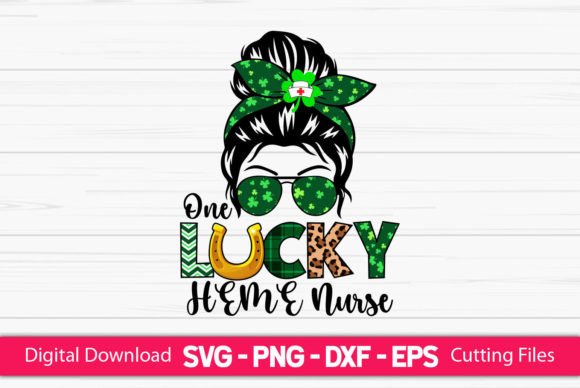
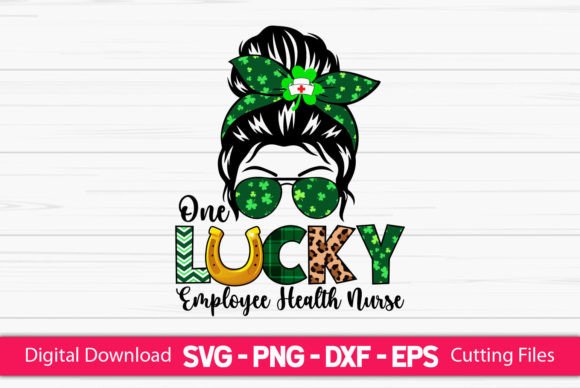
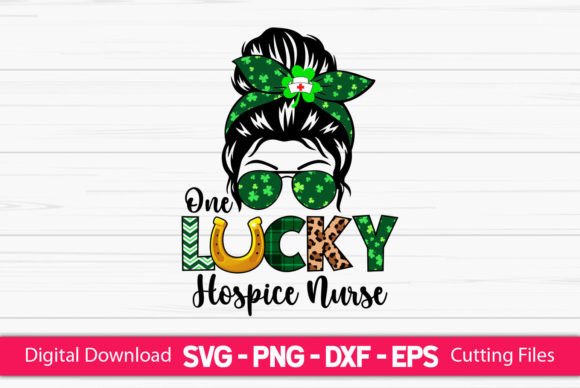
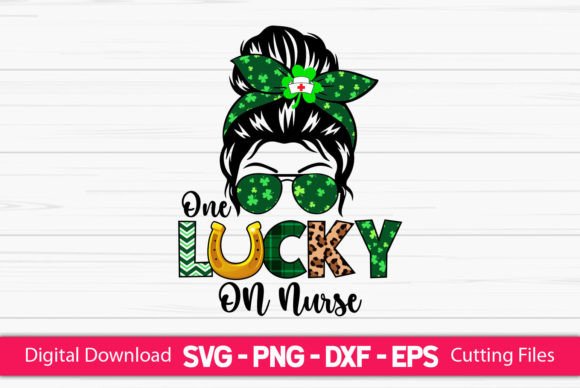
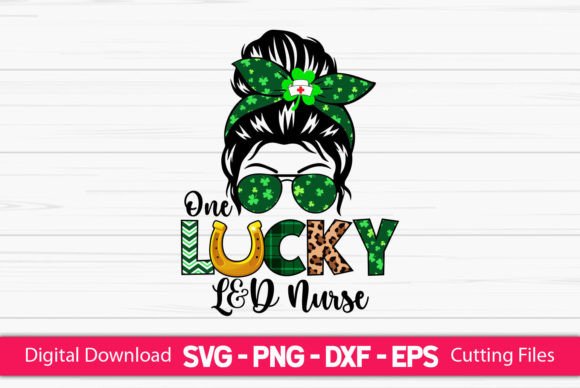
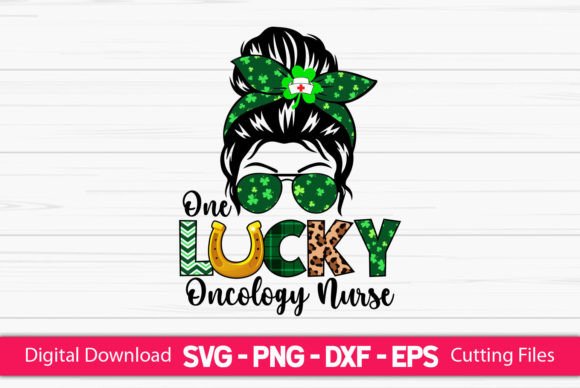
The first impression of this design is its warmth. It captures a specific niche—oncology nursing—with a touch of whimsy rather than clinical sterility. For those of us in the crafts industry, we know that emotional connection drives sales. The layout suggests a casual, approachable vibe, perfect for someone who wants to wear their profession with pride but without heaviness. Visually, the combination of the messy bun silhouette with the "lucky" theme creates a unique narrative, especially when tied into seasonal trends like St. Patrick’s Day, as hinted in the product description.
Real-World Application and Fabric Choice
To truly test the One Lucky Oncology Nurse Messy Bun, I moved beyond screen previews and considered real-life scenarios. I imagined stitching this onto a heavyweight cotton tote bag for a nurse’s weekly essentials. The design’s structure needs to be robust enough to handle the texture of canvas without losing definition. In this context, the design acts as a strong focal point. However, I also visualized it on a soft, fleece-lined sweatshirt. Here, the challenge shifts. Soft fabrics require careful handling of stitch density to prevent puckering. If the digitizer has optimized the fill areas correctly, this design should sit flat and feel soft against the skin, which is crucial for custom apparel intended for long shifts.
Another practical application is an embroidered patch. Patches are incredibly popular among Etsy sellers and small shop owners because they are versatile. By stitching this design on twill or felt, you create a durable accessory that can be ironed or sewn onto scrub caps, jackets, or bags. The "messy bun" aesthetic lends itself well to the slightly imperfect, handmade look that patch enthusiasts love. When creating a personalized gift, such as a baby onesie for a nurse’s child, the scale becomes critical. You must ensure the text remains legible when resized. This is where reviewing the original digital embroidery file formats—SVG, PNG, DXF, and EPS—becomes essential for versatility across different cutting and embroidery machines.
Technical Performance and Stitch Quality
When evaluating any graphics package for embroidery, we must look at the technical execution. While the product description highlights it as a print-ready file for cutting machines, using it for embroidery requires a keen eye for detail. If you are converting this SVG or using a companion embroidery file, pay close attention to the transition between the hair texture and the text. Complex curves in the "messy bun" can sometimes result in excessive trim commands or jump stitches if not digitized properly. A well-digitized version will use a combination of satin stitch for outlines and fill stitch for broader areas to maintain clarity.
I recommend checking the thread colors carefully. The design likely relies on contrast to make the text pop against the hair graphic. On dark fabrics, you might need to adjust the underlay or use a lighter thread palette to ensure readability. Conversely, on light-colored fabric texture like white linen tea towels, a darker, richer thread choice will enhance the visual appeal. Always test the design on scrap fabric first. This step allows you to verify the hoop size requirements and ensure that the design fits within your machine’s maximum area without distortion.
One critical aspect to consider is the stabilizer choice. For stretchy fabrics like jersey t-shirts, a cut-away stabilizer is non-negotiable to support the weight of the stitches. For woven fabrics like aprons or pillow covers, a tear-away might suffice, but only if the stitch density is moderate. If the design is too dense, it can stiffen the fabric, making it uncomfortable to wear or use. As a reviewer, I always advise checking whether the design works for both personal and commercial projects by confirming licensing terms before selling commercial embroidery items.
Navigating Potential Challenges
While the One Lucky Oncology Nurse Messy Bun is charming, there are areas where caution is needed. Small hoop sizes can be tricky if the design includes intricate details in the hair strands. If the elements are too close together, the needle may perforate the fabric excessively, leading to weak spots. Additionally, tiny lettering can become illegible if the thread thickness is not matched to the design scale. I suggest inspecting small details closely in your software before hitting "start."
Curved surfaces, such as caps, present another challenge. The design must be centered perfectly to avoid distortion around the seam. If you are creating holiday embroidery for a themed collection, ensure that the "lucky" element aligns with the overall aesthetic of your brand. Consistency is key for brand consistency and customer trust. Buyers expect a certain level of professionalism, and a poorly stitched design can undermine that trust. Therefore, testing on similar fabrics to your final product is a best practice for any creative entrepreneur.
Enhancing Product Value and Brand Appeal
Ultimately, the value of this design lies in its ability to connect with a specific audience. Oncology nurses often seek items that acknowledge their hard work with sensitivity and humor. By offering this as part of a small shop product line, you tap into a community that values recognition. The design’s versatility allows it to be used in various design assets, from printable mockup previews for online listings to actual stitched goods. High-quality photos of the embroidered item on a model or in a lifestyle setting can significantly boost buyer engagement.
For handmade product sellers, the uniqueness of the "messy bun" motif combined with the professional title creates a niche appeal. It is not just a generic nurse design; it is specific, which often commands a higher price point. Whether you are creating a baby embroidery piece for a newborn photo shoot or a sturdy tote bag design for daily use, the emotional resonance of the message adds intangible value. Ensure that your presentation highlights the craftsmanship. Close-up shots that show the neatness of the stitches and the vibrancy of the threads will demonstrate the quality of your work.
In conclusion, the One Lucky Oncology Nurse Messy Bun is a promising addition to your library if handled with technical care. It offers a blend of personality and professionalism that resonates with its target audience. By paying attention to fabric choice, stabilizer selection, and stitch optimization, you can transform this digital file into a cherished personalized gift or a best-selling item in your craft business. Always remember to verify the specific file compatibility and licensing details provided in the package to ensure you are using the assets correctly for your intended embroidery project. With the right approach, this design can elevate your portfolio and delight your customers.