Review: One Lucky Medical Assistant Messy Bun
As a designer who spends more time staring at stitch maps than actual fabric, I have learned that not every cute graphic translates well to thread. We have all been there: you download a digital embroidery file that looks crisp on your screen, only to watch it turn into a tangled mess of bobbin thread and frustration once it hits the hoop. That is why I approach every new asset with a healthy dose of skepticism. Recently, I pulled up One Lucky Medical Assistant Messy Bun to evaluate its potential for a spring collection of custom apparel, and I want to share my practical take on how this design performs in the real world.
First Impressions and Visual Personality
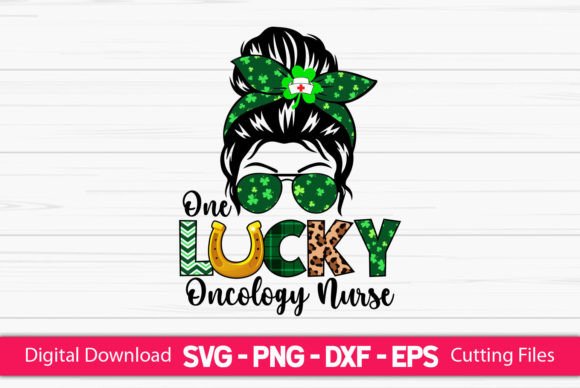
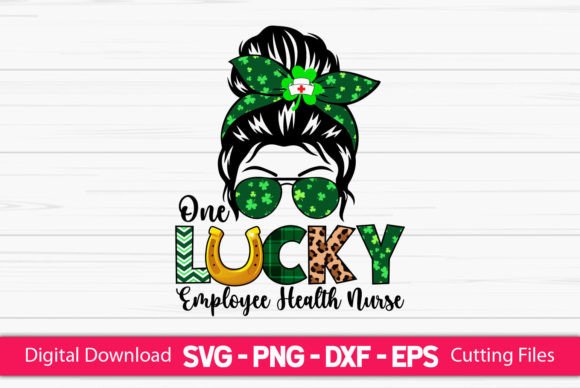
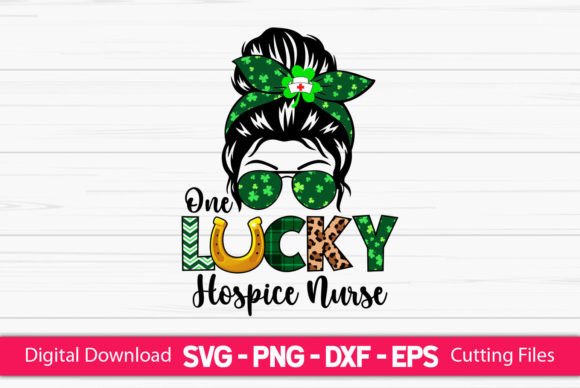
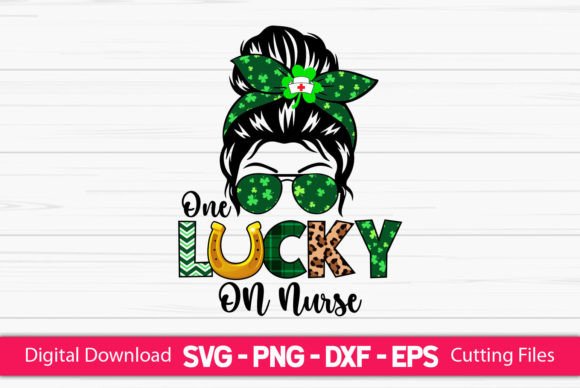
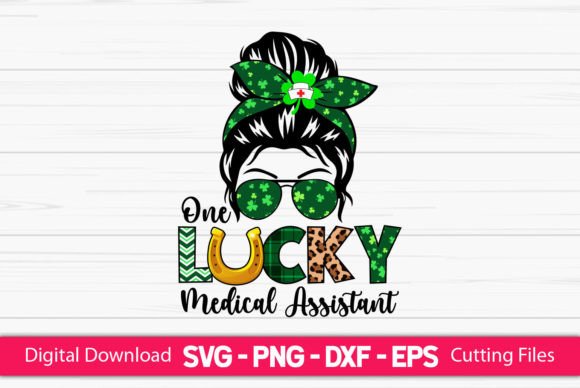
The first thing that strikes you about One Lucky Medical Assistant Messy Bun is its playful, relatable energy. It taps into two massive niches simultaneously: healthcare workers and the ever-popular "messy bun" aesthetic. From a layout perspective, the design balances text and imagery without feeling cluttered. The typography appears bold enough to remain legible, which is crucial when you are dealing with the inherent texture of embroidery.
The theme suggests a lighthearted, celebratory mood, likely tied to St. Patrick’s Day given the "Lucky" motif, but the core concept of the medical assistant role makes it versatile for year-round appreciation gifts. Visually, it feels approachable. It does not try to be overly intricate or hyper-realistic, which is a smart move for a machine embroidery design. Overly complex details often get lost in the stitch density, but this design seems to prioritize clear shapes and readable lines, making it a strong candidate for both beginners and seasoned pros looking for a quick, high-impact project.
Real-World Application: The Sweatshirt Test
To truly judge a design, you have to imagine it on a product. I visualized One Lucky Medical Assistant Messy Bun stitched onto a heather grey crewneck sweatshirt. This is a staple item for any craft business or Etsy seller. The casual nature of the messy bun graphic pairs perfectly with the comfort of fleece or cotton blends.
In this scenario, the design would sit centered on the chest or slightly offset to the left for a boutique feel. Because the design includes text, placement is critical. On a curved surface like a chest, you must ensure the hoop is stabilized properly to prevent puckering. If I were producing this for a small shop product line, I would lean into the personalization aspect. Adding a name below the main graphic could increase the perceived value, turning a standard personalized gift into a cherished keepsake for a nurse, CNA, or medical assistant.
Beyond apparel, this graphic works wonderfully on tote bags. A canvas tote bag design featuring this motif would appeal to students in medical programs or professionals carrying their scrubs. The flat surface of a tote allows for larger hoop sizes, giving the design room to breathe and ensuring that the smaller details in the "messy bun" illustration do not become compressed.
Technical Considerations for Stitching
While the visual appeal is strong, we must discuss the technical execution. Since the product description lists this as an SVG, PNG, DXF, and EPS package, it is primarily marketed toward cutting machines, but the mention of embroidery contexts implies it is often adapted or used in hybrid projects. If you are converting this for embroidery or using a pre-digitized version, pay close attention to stitch density.
For the text elements, a satin stitch is ideal for clean edges, but if the letters are small, you risk thread buildup. I recommend testing the design on scrap fabric first. Check how the thread colors contrast against your chosen material. For a St. Patrick’s Day theme, you might be tempted to use bright greens, but remember that green thread on dark navy scrubs or black apparel may not pop as much as you hope. Always test your thread colors in natural light.
Fabric choice matters immensely here. If you are stitching on a thin performance fabric common in medical scrubs, you must use a cut-away stabilizer to support the weight of the stitches. A tear-away might leave behind residue or fail to prevent distortion during washing. For thicker materials like denim jackets or canvas aprons, the design should hold up well, provided you use a sharp needle to penetrate the dense weave without breaking threads.
Where to Use Caution
Not every project is a good fit for One Lucky Medical Assistant Messy Bun. I would advise against using this on items with high stretch unless you have significant experience with stabilizing knit fabrics. Caps, for instance, are tricky. The curved brim and structured front panel can distort the text if the hoop tension is not perfect. If you attempt a cap, ensure the design size fits within the usable area of your cap frame without hitting the seams.
Additionally, be wary of using this on dark, textured fabrics like terry cloth towels. The loops in the towel can swallow smaller details, making the "messy bun" graphic look fuzzy or undefined. In such cases, consider using an applique technique if the file supports it, or simply stick to smoother fabrics like polo shirts or pillow covers where the stitches can lay flat and crisp.
Commercial Value and Brand Consistency
For commercial embroidery professionals, this design offers a quick turnaround product. It appeals to a specific demographic that is often underserved in generic gift shops. By offering a custom apparel piece that acknowledges the hard work of medical assistants, you build customer trust and emotional connection.
However, professionalism is key. Ensure that your finished product is clean. Trim all jump threads, press the garment carefully around the embroidery (never directly on top if using synthetic threads), and present it in a way that highlights the quality of the stitch work. A well-executed embroidered patch or direct-to-garment stitch can elevate your brand consistency, showing buyers that you care about the details.
Final Designer Notes
Before you list this as a printable mockup or start stitching bulk orders, verify the licensing terms. Just because you have the digital files does not automatically grant commercial rights for resale of physical goods. Always confirm whether the license covers design assets for commercial use.
Test the design in black and white mockups to check for contrast issues. Compare how it looks on light versus dark backgrounds. If you are new to working with this type of graphic, start with a single embroidery project for yourself or a friend. Gather feedback on the size and placement. Does the text read clearly from a distance? Is the bun shape recognizable?
Ultimately, One Lucky Medical Assistant Messy Bun is a charming addition to your library of Crafts and Graphics. It bridges the gap between trendy aesthetics and professional pride. With careful attention to stabilizer choice, thread contrast, and fabric selection, it can become a bestseller in your small business merchandise lineup. Treat it with the respect any good design deserves: test it, tweak it, and then let it shine on a high-quality finished product.